Pre roll vs blunt
Joints consist of ground cannabis flower in thin paper. That sheet can be only rolling paper, including flax, in king-size and 1 1/4 sizes. A blunt places flower in a broader leaf or wrap. A tobacco wrap holds tobacco content in the outer leaf, while a hemp wrap is the tobacco-free sheet used for a smooth smoking experience. An infused pre-roll keeps paper on the outside and adds concentrate and a kief or diamond finish to the flower. Pre-rolls typically hold ground flower in a compact pack for on the go use, while a blunt's fill can sit more tightly in the thicker wrap. Pre-rolled blunts arrive already formed, which removes grinding and rolling from the choice, and that paper build is not pre rolled joints.
Blunt vs Joint
A blunt uses a thicker wrap and carries more material, while a joint uses thin rolling paper and follows a quicker pace. That construction gives the blunt a slower burn and longer heat retention. The full guide compares the two from the outside layer inward, then matches their different sizes and rhythms to different occasions. Traditional tobacco leaf or cigar-style wraps once defined many blunts; Presidential uses a tobacco-free hemp blunt wrap so nicotine stays off the build while the even burn and capacity cues still read as blunt construction.
Reading wrap thickness before nicknames keeps the joint comparison honest: thin paper and lighter capacity on one side, thicker hemp and greater fill on the other. Smokers who prefer paper-only formats often choose rolling papers for a quicker smoking experience; those who want more capacity keep the blunt wrap for longer smoking sessions.
How this hub compares one variable at a time
The method here is to change one thing and hold the rest still. A blunt versus a joint changes the outer sheet. A blunt versus a spliff changes what's mixed into the fill. Mini versus full blunts changes only the size. Neither a hemp-wrapped blunt nor a paper joint needs a cigarette filter to be what it is; any tip is a separate choice. How each one takes fire and holds its burn is covered in hemp wrap versus paper.
This brand and publisher page explains who stands behind this educational reference.
Use the main infused-blunt guide to place every format comparison in the full infused-blunt context.
Continue to the lighting and session ritual hub after choosing a format, so catch, relight, and pace stay tied to construction.
The hemp wrap construction hub explains the outer layer behind these format differences.
Browse named strains and catalog groupings after construction is clear, so cultivar labels refine the recipe rather than rewrite the format.
Compare flower with infused formats in the wider choosing guide.
Continue through the official brand reference at Presidential Cannabis.
See how hemp wrap context connects with cannabis flower anatomy.
Start with the hemp wrap vs paper comparison when the outer layer is the main question; it explains how material changes capacity, heat, and burn pace before other features are considered.
Use the blunt vs joint guide to separate thick-wrap and thin-paper construction when two hand-rolled formats look similar from a distance.
Read the blunt vs pre-roll comparison when the decision is between ready-to-light blunts and paper pre rolls and the important difference is the wrap, fill, size, or pace.
Use the blunt vs spliff guide when the remaining question is where tobacco sits, if it sits anywhere at all.
Use the infused vs non-infused guide to isolate what concentrate and a kief or diamond finish change in the build without treating infusion as a strain or making an effects claim.
Finish with the mini vs full comparison when construction is already settled and the remaining choice is capacity, session length, or sharing scale.
Blunt vs Pre-Roll
A blunt and a pre-roll can both arrive ready to light, yet their structures set distinct expectations. The blunt's thicker wrap supports greater material volume and a slower burn; the pre-roll's thin paper burns fastest and finishes quickest. This comparison makes format, pace, and purpose easy to read at a glance for smoking cannabis on different occasions.
Ready-to-light does not erase wrap differences: a hemp-wrap blunt still carries thicker construction and slower heat, while a paper pre-roll keeps the quicker thin-paper pace adults 21+ expect from that format. Convenience is why many smokers reach for a ready-made cannabis roll or paper pre rolls, but wrap material still decides capacity and burn quality. Pure cannabis flower still differs from an infused fill even when both look similar at a glance.
Blunt vs Spliff
Blunt and spliff describe different construction choices. A spliff traditionally places tobacco with cannabis inside rolling paper, while a Presidential blunt places its flower, concentrate, and a kief or diamond finish inside a neutral hemp wrap. The detailed guide separates the terms and shows exactly where a tobacco-free blunt fits. Avoiding tobacco leaf wraps and nicotine keeps Presidential builds distinct from a cigar-style tobacco wrap or tobacco leaves emptied for smoking weed.
What a tobacco-free wrap changes in a comparison
Every Presidential blunt uses a tobacco-free hemp wrap, so a blunt-versus-spliff comparison turns on the tobacco. The guide to tobacco-free hemp wraps and how long one blunt session runs cover both sides.
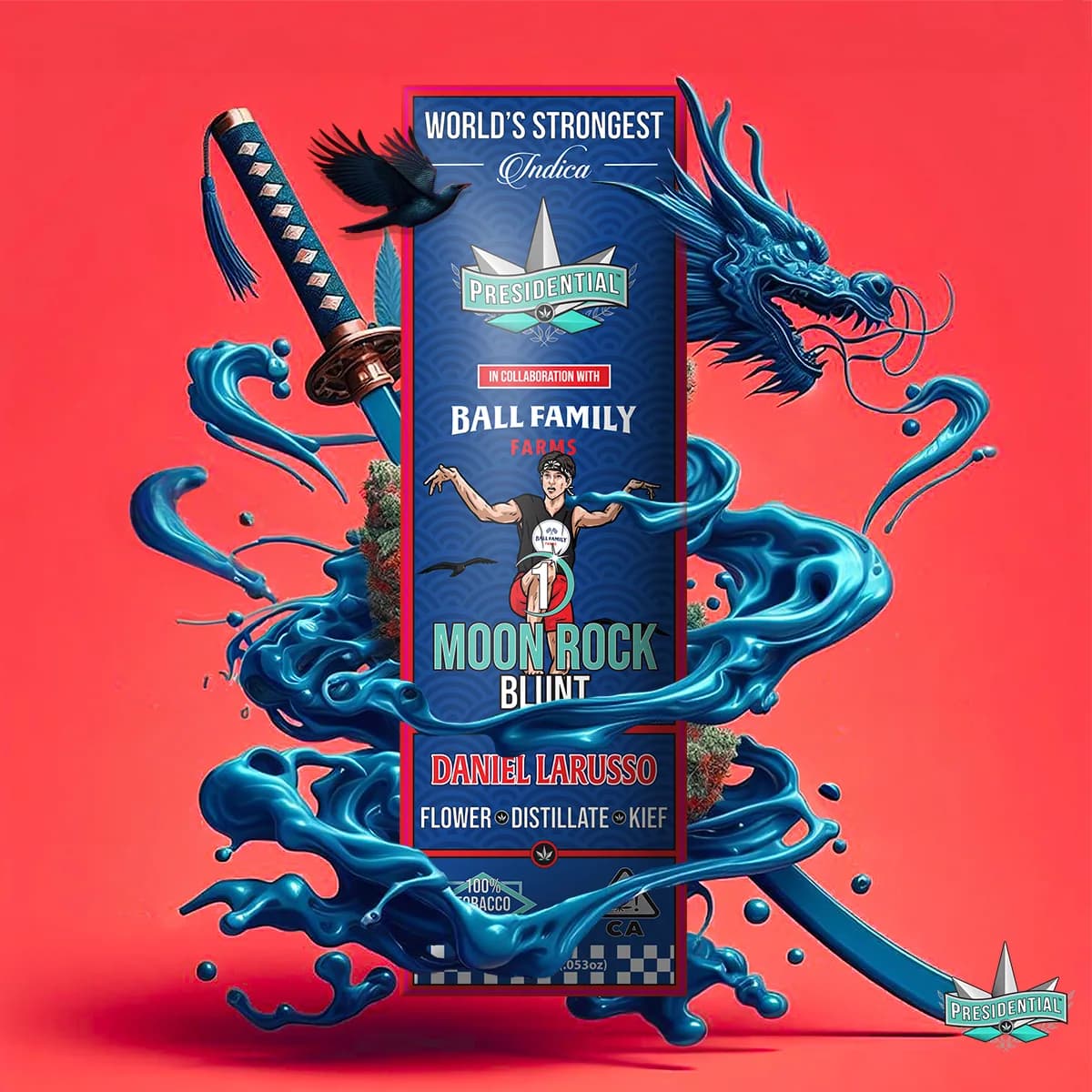
Mini vs Full Blunt
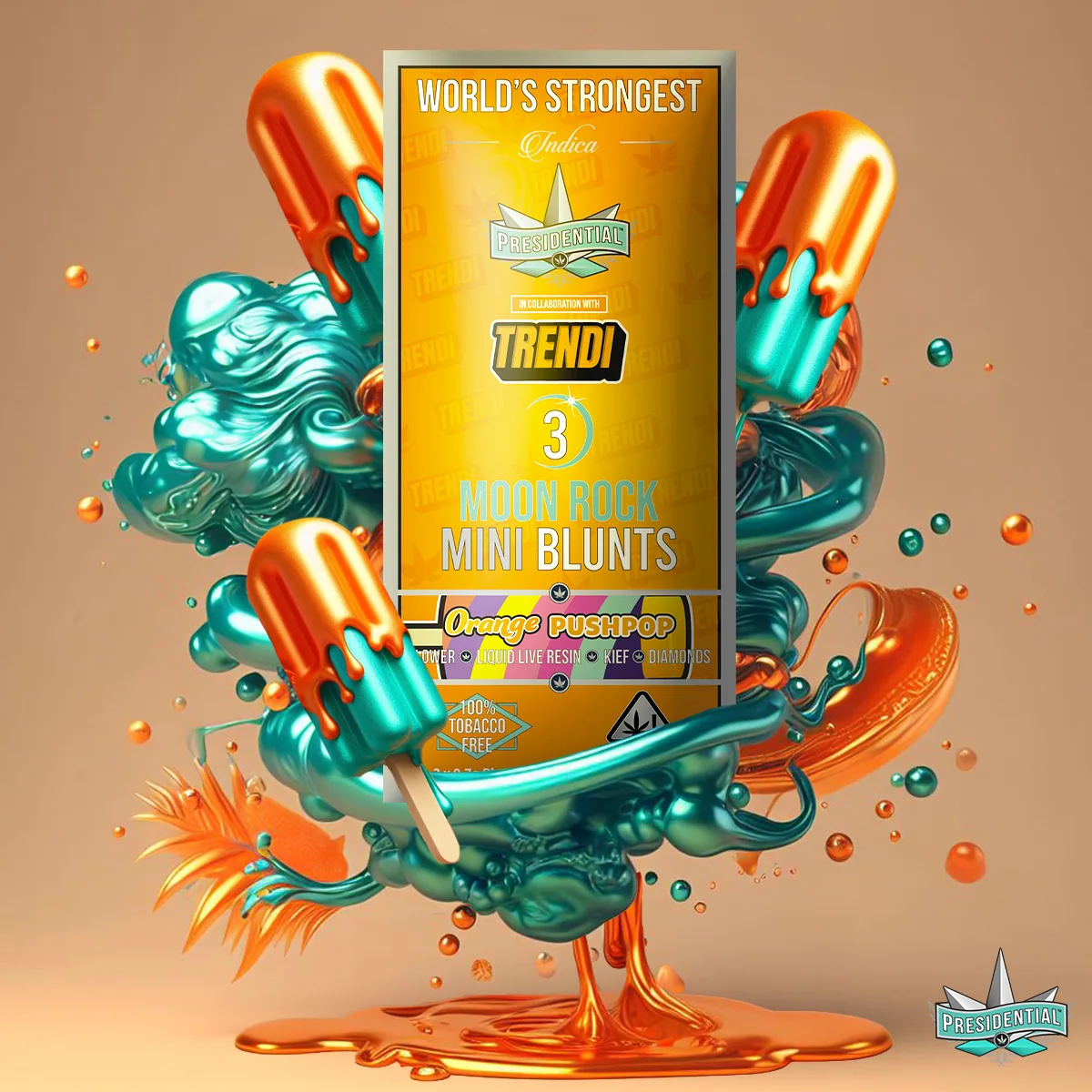
A mini carries the same blunt construction at a smaller size. A full-size blunt brings greater capacity and a longer session, while the mini keeps the format compact. The comparison looks at session length, sharing, and how size can match the number of people and the time available for smoking sessions with friends who bring different preferences around pace, capacity, and flavor.
Scale stays separate from construction: a mini is still a blunt at smaller capacity, not a different wrap class, so session length and sharing should be read after wrap and fill are already settled. Smokers who prefer a shorter cannabis experience often choose mini scale without changing the blunt wrap recipe.
Comparing formats after the session ends
A comparison also covers what happens between sessions. Blunt storage between sessions explains how to keep the wrap in shape.
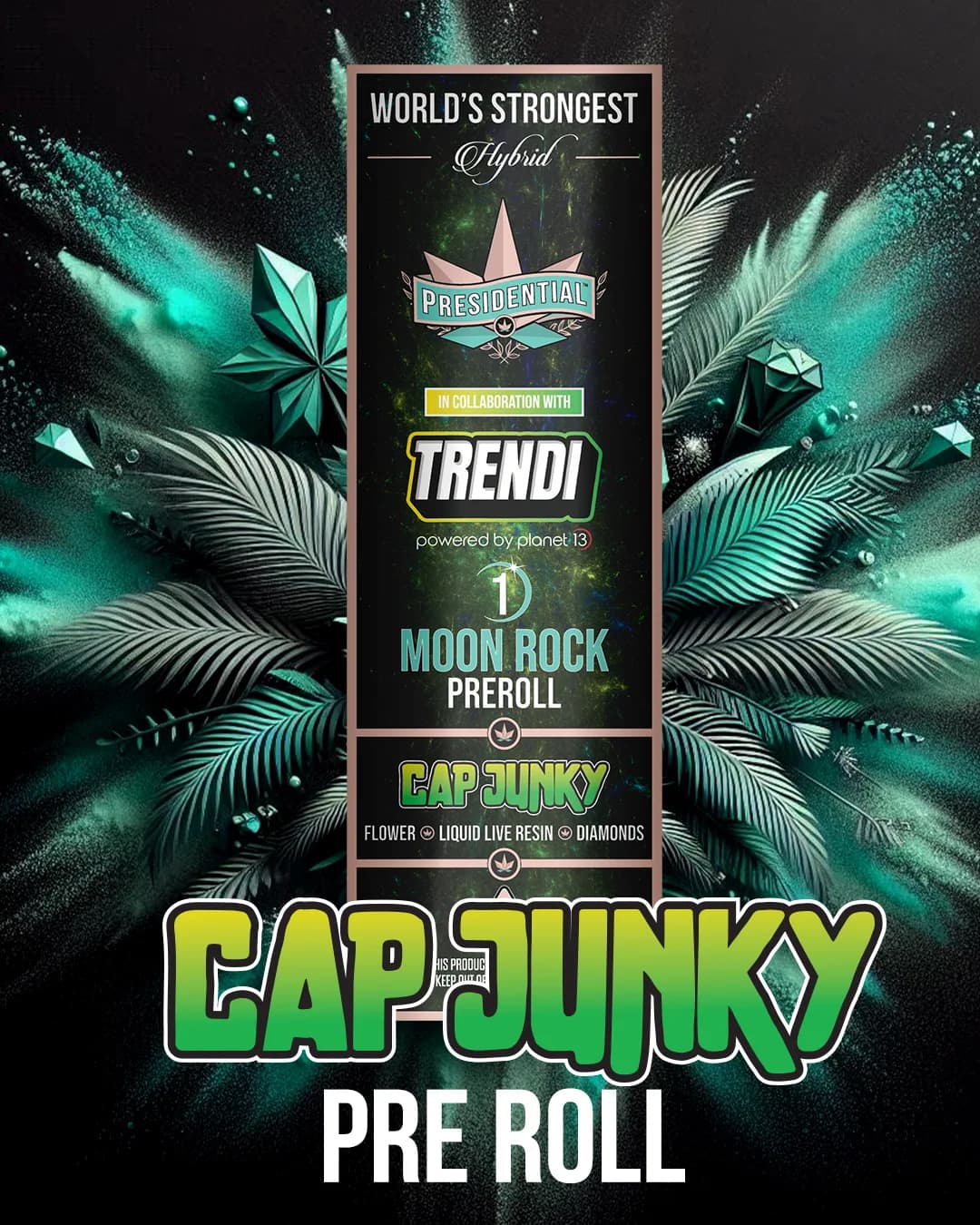
Infused vs Non-Infused
Infusion adds concentrate and a kief or diamond finish to flower, creating a three-layer construction with more density than flower alone. That density holds heat and supports a slower burn, while even distribution helps the material burn evenly for an even burn across the session. The guide explains each layer, its job, and the measurable cannabinoid difference in the finished format, including how labeled THC and aroma cues appear on quality packaging at a dispensary.
How does lighting a blunt differ from lighting a joint?
Thin paper catches quickly and burns fastest. An infused blunt lights more gradually, because concentrate is dense and holds heat. Bring the end to the flame, rotate the blunt, and give the full edge time to glow before the first draw. If it goes out, a relight is a natural part of the format: rotate the edge again to bring back an even burn. Keep reading with how to light one evenly, relighting an infused blunt, or blunt vs joint differences.
Comparing formats for a shared session
Format changes how a group session moves. The blunt vs spliff guide covers what is in the fill, the blunt sharing guide covers pace, and how our wraps shape flavour explains taste.
How wrap and infusion change flavor profiles
The wrap and the fill each shape how flavor profiles come through. Tobacco leaf carries tobacco's own taste, while a neutral hemp wrap lets the flower, concentrate, kief or diamond finish, and selected flavor profile lead. Infusion adds concentrate and a kief or diamond finish to the flower, so the fill carries more layers than flower alone. The package names the flavor; the construction decides what frames it.
Hemp Wrap vs Paper
Hemp wrap is thicker, holds more material, and burns more slowly than thin rolling papers. Presidential uses a neutral hemp wrap, allowing the flower, concentrate, kief or diamond finish, and selected flavor profile to lead the taste. The full comparison follows the material choice through burn rate, heat, capacity, and flavor presentation. Tobacco leaf wraps and classic tobacco wrap builds sit on one historical path; hemp blunt wrap and paper-only joints remain other paths for cannabis consumption without nicotine.
What materials are blunt wraps made from?
Blunt wraps come from a few materials. The traditional blunt uses tobacco leaf, often a cigar or cigarillo that has been emptied and refilled. Hemp wraps keep the thicker blunt format without tobacco, and every Presidential blunt is rolled in hemp. Rolling paper, including flax, belongs to joints and pre-rolls rather than blunts, so the wrap or paper material on the package is the first line to read.
How to read a format comparison
Start with construction rather than the product name. Identify the outside material, then the fill, added infusion, and finished size. A hemp wrap and rolling papers handle capacity and heat differently. Flower alone and an infused blend also describe different builds. Those checks establish the format before taste, pace, or occasion enters the decision. The main difference between formats is almost always the outer layer first.
When only one feature is unclear, use the guide devoted to that feature. When several features change at once, read the guides in sequence: outer material first, flower or infusion second, and size last. This prevents a mini from being treated as a different construction and keeps ready-made pre rolls from being confused with a hemp-wrapped blunt. If tobacco and definition are the question, use the spliff guide before comparing scale. Pre rolled joints and paper-only formats stay on the thin-paper side of that map.
Package details should support the comparison. Look for the format name, wrap or paper material, ingredient statement, net weight, batch information, and labeled cannabinoid content where required. The library explains what those details mean; it does not rank products, promise an experience, or turn a brand name into a cultivar. Presidential Blunts remains the publisher and infused-blunt brand, while strain and cultivar names identify the flower separately. Ask a dispensary for current quality, THC numbers, aroma notes, and benefits of each format rather than relying on a nickname alone. Users typically check popularity and labeled flavor before they prefer one build; personal preferences still decide whether a joint, blunt wrap, or paper pre rolls fit the occasion.
Where does the Presidential blunt fit among these formats?
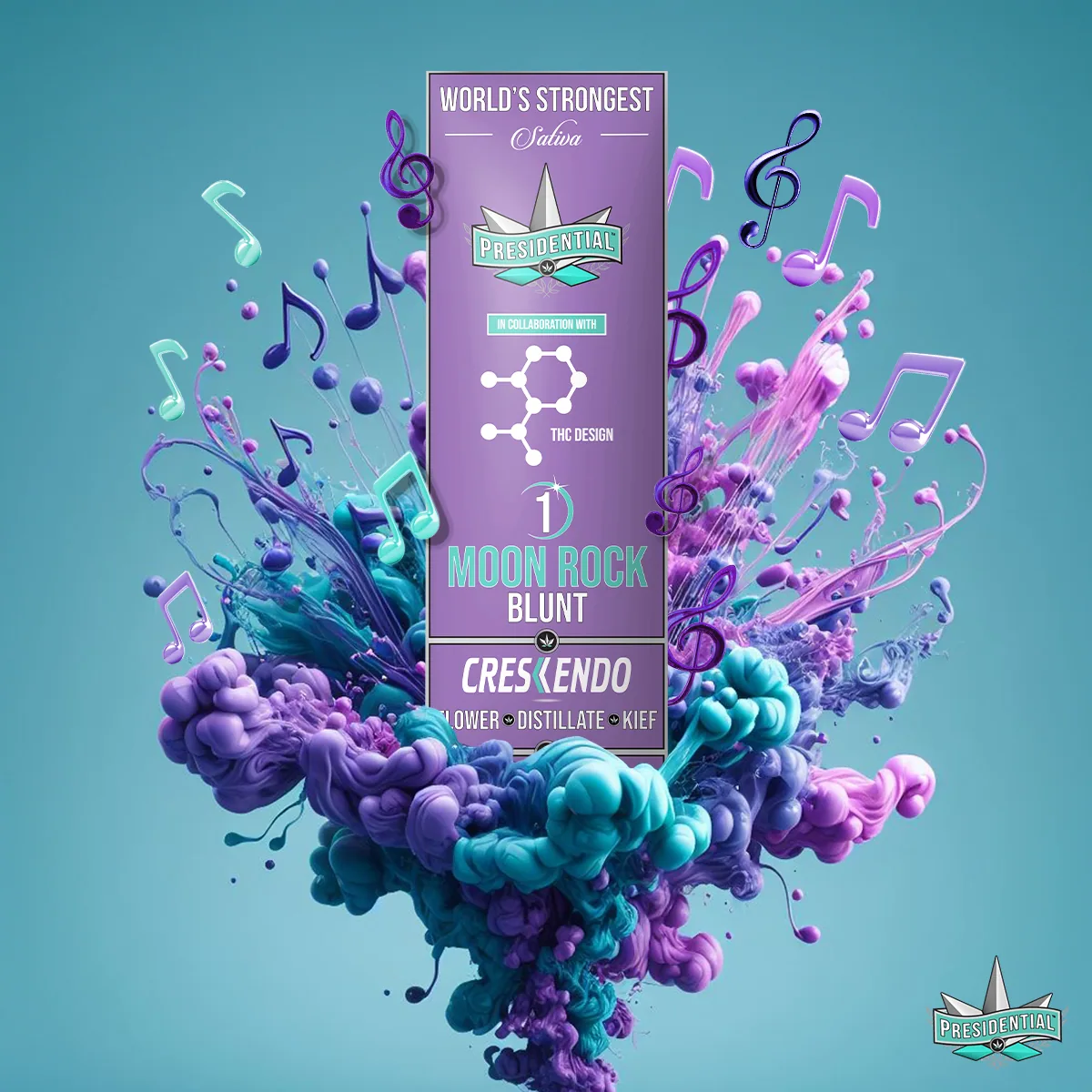
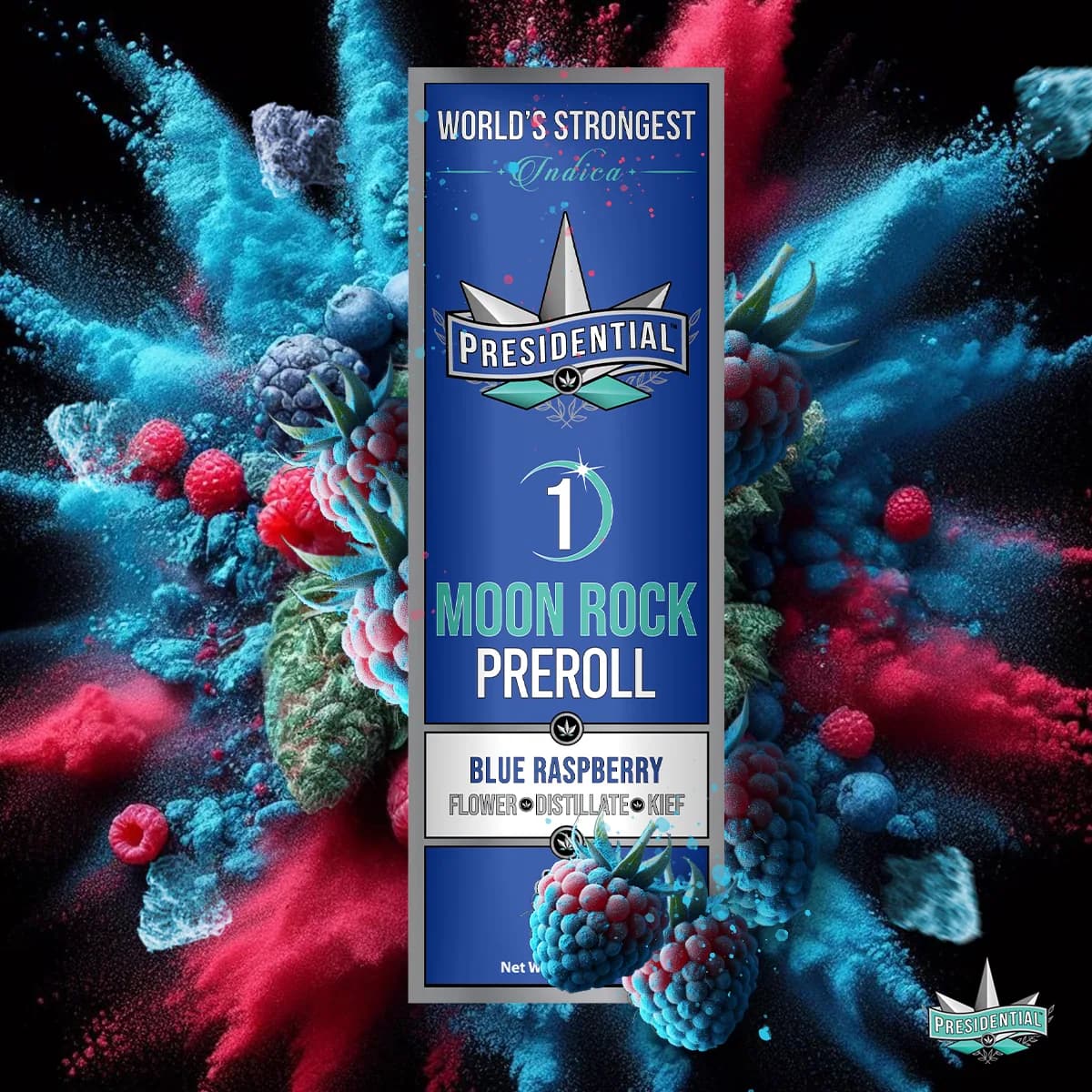
Every Presidential blunt is rolled in our hemp wraps, with flower, concentrate, and a kief or diamond finish inside, in full-size and mini formats. Start with the full infused-blunt guide for the overview, then use hemp wrap vs paper and mini vs full for the specific contrasts.
The wrap details behind each comparison
These contrasts keep coming back to the wrap. Read the role a hemp wrap plays, how our wraps are manufactured and how wrap burn rate works for the detail behind each guide.
Reading a comparison before you buy
Each comparison looks at one difference at a time. Read the pack as well, since it names the strain and wrap.
Choose by format
Begin with the occasion, then choose the construction that supports it. Thin rolling papers suit a quick finish when convenience is the priority for joints and pre rolls that finish faster than a blunt wrap. A mini brings blunt construction to a smaller session. A full-size infused blunt brings more material, a deliberate burn, and room for sharing. Once format is settled, the individual guides make the remaining distinctions simple. Convenience, quality, and the overall smoking experience should drive the pick—not marketing shorthand.
The comparisons also work together. Wrap and paper explain the outside layer, infused and regular explain the inside, and mini and full explain scale. Read in that order, the library becomes a practical map from construction to occasion for enjoying cannabis without confusing a cigar wrap for a hemp blunt wrap.
Once wrap, fill, and size are settled, ritual pages for lighting and session pace can follow without rewriting the format definition for adult readers 21+. Smoking cannabis with an even burn starts with the right wrap for the session length smokers actually want.
How to store pre-rolls and blunts for freshness
Store pre-rolls and blunts the same way: in a dedicated container in a cool, dark place. Heat and light reach terpenes first, so a stable temperature and deep shade protect aroma between sessions. Pick a container that fits without crushing the roll, close it only after any ember is fully out and the material has cooled, and return it to the same drawer, cabinet, or shaded shelf away from windows and heaters.
Is a pre-roll considered a blunt?
No. A pre-roll is thin rolling paper around ground flower, and an infused pre-roll keeps that paper on the outside while adding concentrate and a kief or diamond finish to the flower. A blunt is defined by its thicker wrap, which holds more material, burns slower, and keeps heat longer. Both can arrive ready to light, so being pre-rolled does not make a paper roll a blunt. The outer layer decides the name.
Can you make blunts without using tobacco?
Yes. The traditional blunt is a cigar or cigarillo that has been emptied and refilled, so tobacco leaf and nicotine come with the wrap. A hemp wrap keeps the thicker blunt format without tobacco. Every Presidential blunt is rolled in hemp and is one hundred percent tobacco free, with flower, concentrate, and a kief or diamond finish inside. On the package, hemp wrap or tobacco-free wrap is the line to look for.
What makes spliffs different from both blunts and joints?
Where the tobacco sits. A spliff traditionally mixes tobacco with cannabis inside rolling paper. A joint is ground cannabis flower in thin paper, without tobacco in the fill. A blunt uses a thicker wrap: a traditional one keeps tobacco in the outer leaf, while a Presidential blunt uses hemp and keeps tobacco out of both the wrap and the fill.
Are pre-rolls better than blunts?
Neither ranks above the other; they suit different sessions. Thin paper burns fastest and finishes quickest, which fits a short session or a moment when convenience is the priority. A blunt's thicker wrap carries more material, burns slower, and holds heat longer, which leaves room for a longer session and for sharing. A mini brings blunt construction to a smaller session when the full size is more than the moment needs.
Why are some pre-rolls hard to smoke?
Usually because of the pack. A ready-to-light pre-roll saves the hassle of rolling a joint, but the fill inside the paper still decides how air moves. A roll packed so tightly that air barely moves will tend to stall or canoe, and a roll packed too loosely can race once the paper catches. Soft spots, pinched seams, or a fill that leaves large voids create shortcuts for air and heat, so one side runs ahead of the other.
Infusion adds density: concentrate and a kief or diamond finish make the fill heavier than flower alone, so an infused pre-roll needs an even, patient light rather than a hot flame fixed on one spot. The same reading applies to blunts rolled in hemp wraps. The thicker wrap holds more material and burns slower, and an uneven pack shows up the same way, as a stalled draw or one edge running ahead.