The four jobs of a wrap
The wrap gives a blunt its structure, but structure is only the beginning. Its thickness and fit shape the path air takes through the roll, the pace at which the material burns, and the way heat is retained. Its own character can also join the flavour or stay neutral. The guide to what a wrap does brings those four jobs together and explains why the outer layer has such a large role in the finished format.
Return to the complete blunt reference for the full infused format.
Continue with the lighting, storage, and sharing guide for the finished roll.
Compare flower with infused formats in the broader product guide.
Explore the full plant and brand reference from Presidential Cannabis.
Connect the hemp wrap conversation with the structure of cannabis flower.
Begin with what a wrap does when structure, airflow, burn rate, and taste need to be separated into their basic jobs.
Use the hemp and tobacco leaf comparison when the main question is what the outer material contributes to the finished blunt.
Read the tobacco-free hemp wrap guide for the exact construction meaning of that phrase across the Presidential Blunts catalog.
Continue to the hemp wrap construction guide to follow the material from hemp fibre to a consistent finished sheet.
Finish with the blunt burn-rate guide when thickness, fill density, airflow, and lighting pace need to be considered together.
Read the wrap from material to finished roll
A wrap is the continuous outer material closed around the fill. It holds the roll's shape, establishes the outside boundary of airflow, and stays present as heat moves down the roll. Material type, thickness, uniformity, and fit determine whether that layer behaves like thin rolling paper, a tobacco-leaf shell, or a hemp blunt wrap.
Rolling paper creates a lighter outer layer around a joint or pre-roll. Traditional blunt construction uses tobacco leaf, which contributes tobacco taste and nicotine through the wrap itself. A formed hemp wrap keeps the substantial outer structure associated with a blunt while leaving tobacco leaf outside the build. These are construction distinctions, not a quality ranking, and they can be checked before size, infusion, or flavour is considered.
Use the hub in that same order. Start with the wrap's basic jobs, then identify hemp or tobacco as the material. Confirm what tobacco free means, follow how hemp becomes a finished sheet, and examine burn rate after the full construction is clear. The flavour guide comes last because taste reflects both the wrap and the contents it surrounds. That sequence keeps the Presidential Blunts brand separate from cultivar names and keeps each guide focused on one practical question.

Hemp and tobacco leaf traditions
Traditional blunts use tobacco leaf, often from a cigar or cigarillo that is emptied and refilled. That leaf carries nicotine and a tobacco taste. A hemp wrap creates a different tradition: it is tobacco free and neutral in flavour. The hemp and tobacco leaf comparison looks at what each wrap contributes to taste, burn, and the identity of the finished blunt.
A precise tobacco-free definition
In a Presidential blunt, tobacco free means the outer wrap is hemp rather than tobacco leaf. That choice applies across the blunt catalog and gives the phrase a clear, practical meaning. The tobacco-free guide explains the material choice, the consistency it creates from one format to the next, and the way a neutral wrap keeps attention on what was rolled inside it.
How the wrap sets the pace
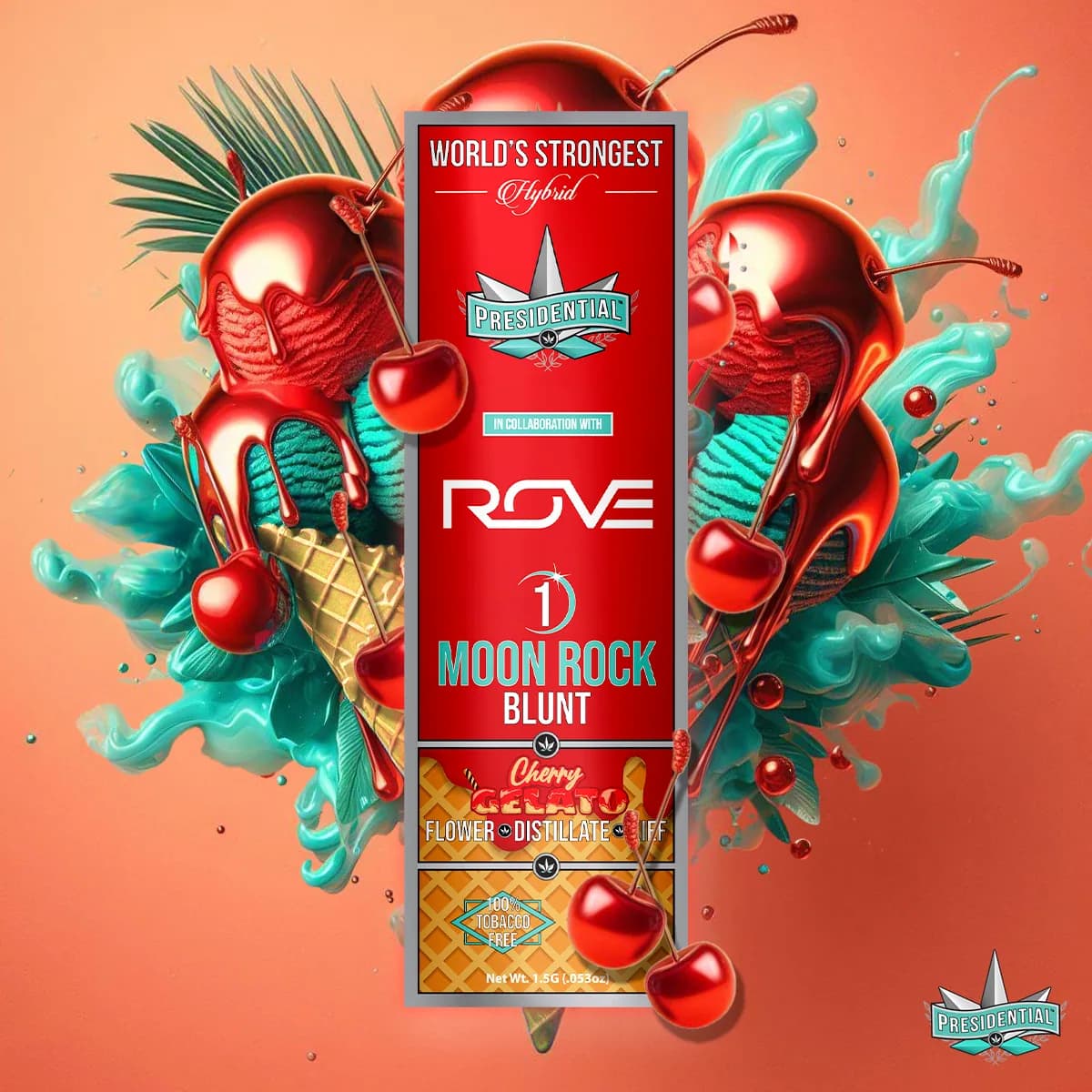
A blunt uses a thicker wrap than a pre-roll, holds more material, burns slower, and holds heat longer. Airflow, density, and the distribution of infused material all meet at the wrap. The burn-rate guide shows how those elements work together, why infused material takes a measured light, and how a slow pace defines the blunt as a session format.
A window onto flavour
A neutral hemp wrap lets the flower, concentrate, kief, and deliberately built flavour profile speak clearly. That matters in a three-layer construction, where each inner layer has its own role. The wrap-and-flavour guide follows taste from the outer layer inward and examines how neutrality makes the wrap feel more like a window onto the contents than an added flavour of its own.
From hemp fibre to finished wrap
A finished hemp wrap turns plant fibre into a consistent sheet that can hold a roll and support a steady path for air and heat. Thickness, uniformity, and a dependable finished shape are the qualities that become visible during lighting and burning. The manufacturing guide follows that functional journey and shows how consistency at the wrap stage carries through to the complete blunt.