
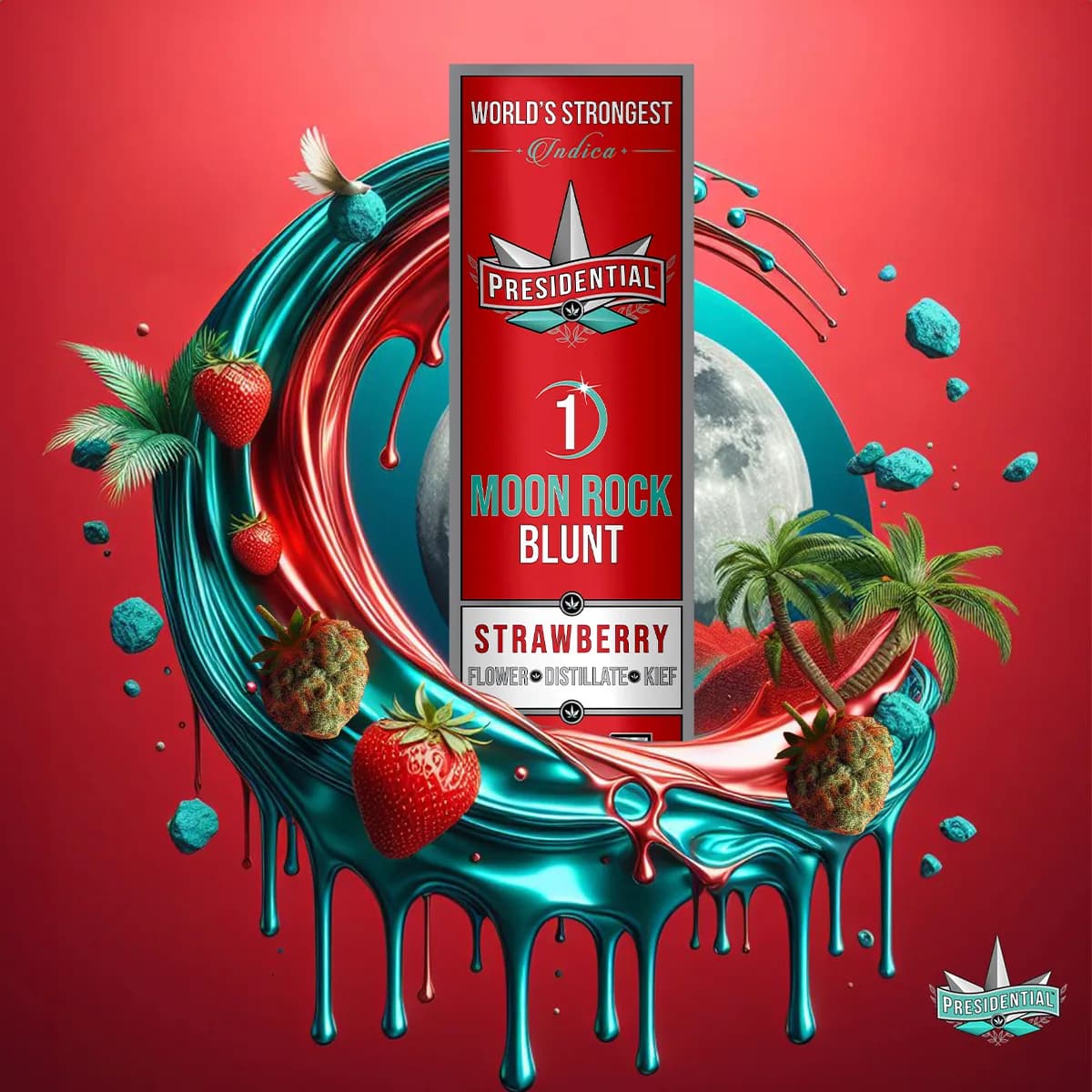
Hemp fibre is the starting material
The process starts with hemp as the material source. For a tobacco-free blunt, that choice is foundational: hemp supplies the outer layer in place of traditional tobacco leaf. The finished wrap therefore carries the blunt's structure while staying outside the tobacco-and-nicotine tradition associated with cigar or cigarillo leaf.
At this stage, the important idea is material identity rather than a proprietary formula. The plant fibre must ultimately become a continuous sheet capable of bending around a roll. It needs enough substance to behave like a blunt wrap, which is thicker than the thin rolling paper used for a pre-roll and supports a slower, heat-holding format.
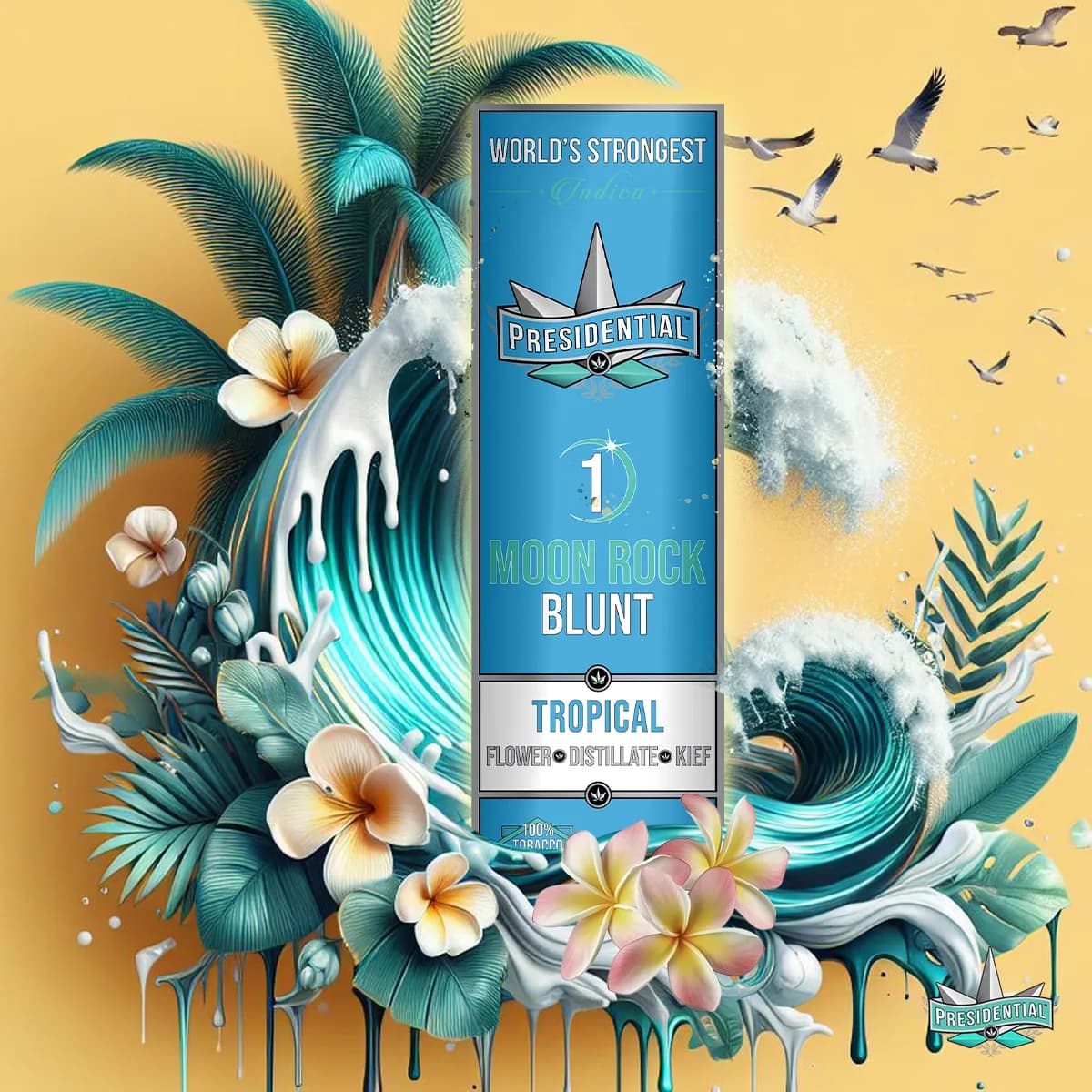
See how the finished wrap performs in the complete blunt reference.
The material becomes a continuous sheet
Manufacturing turns the hemp material into a broad, coherent wrap surface. A continuous sheet gives the finished piece one unbroken boundary around the material inside. That boundary is what allows the wrap to hold a larger fill in shape and establish the outside of the airflow path.
Consistency across the sheet matters because the wrap is active along its full length. The lit end meets heat, the body contains the unburned material, and air moves through the roll. A uniform surface lets each part participate in the same construction rather than introducing abrupt changes from one portion to the next.
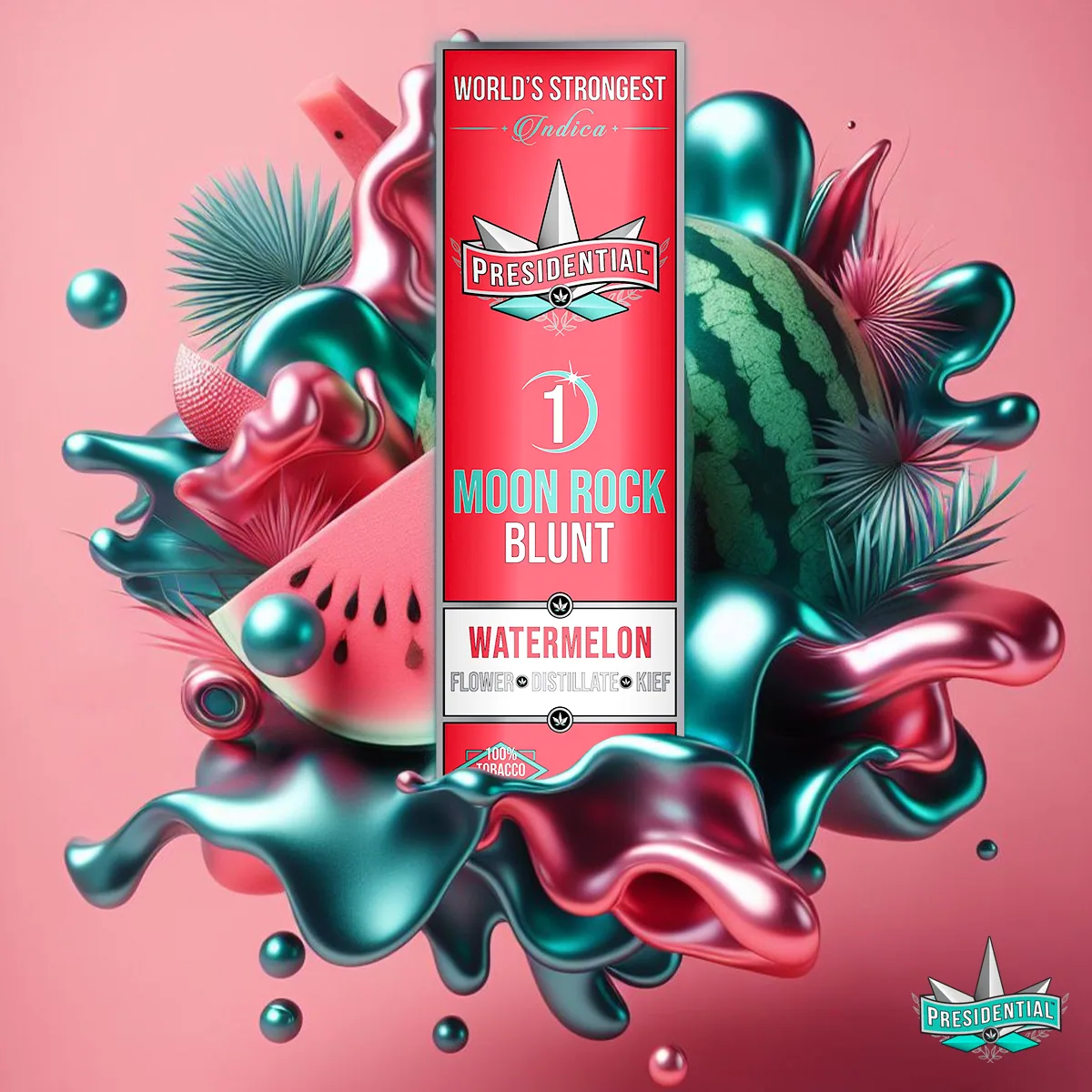
Thickness and size establish the format
The formed material must reach a useful thickness and a finished size. Thickness separates the wrap from pre-roll paper in functional terms: the blunt wrap surrounds more material, burns slower, and holds heat longer. Size gives the sheet enough area to enclose the intended roll.
Full-size blunts and minis show how the same construction can be expressed at different scales. A mini is the same construction at a smaller size. The wrap still needs a consistent surface, an appropriate boundary around the contents, and the structural character of a blunt. Scale changes while the central role of the material stays the same.
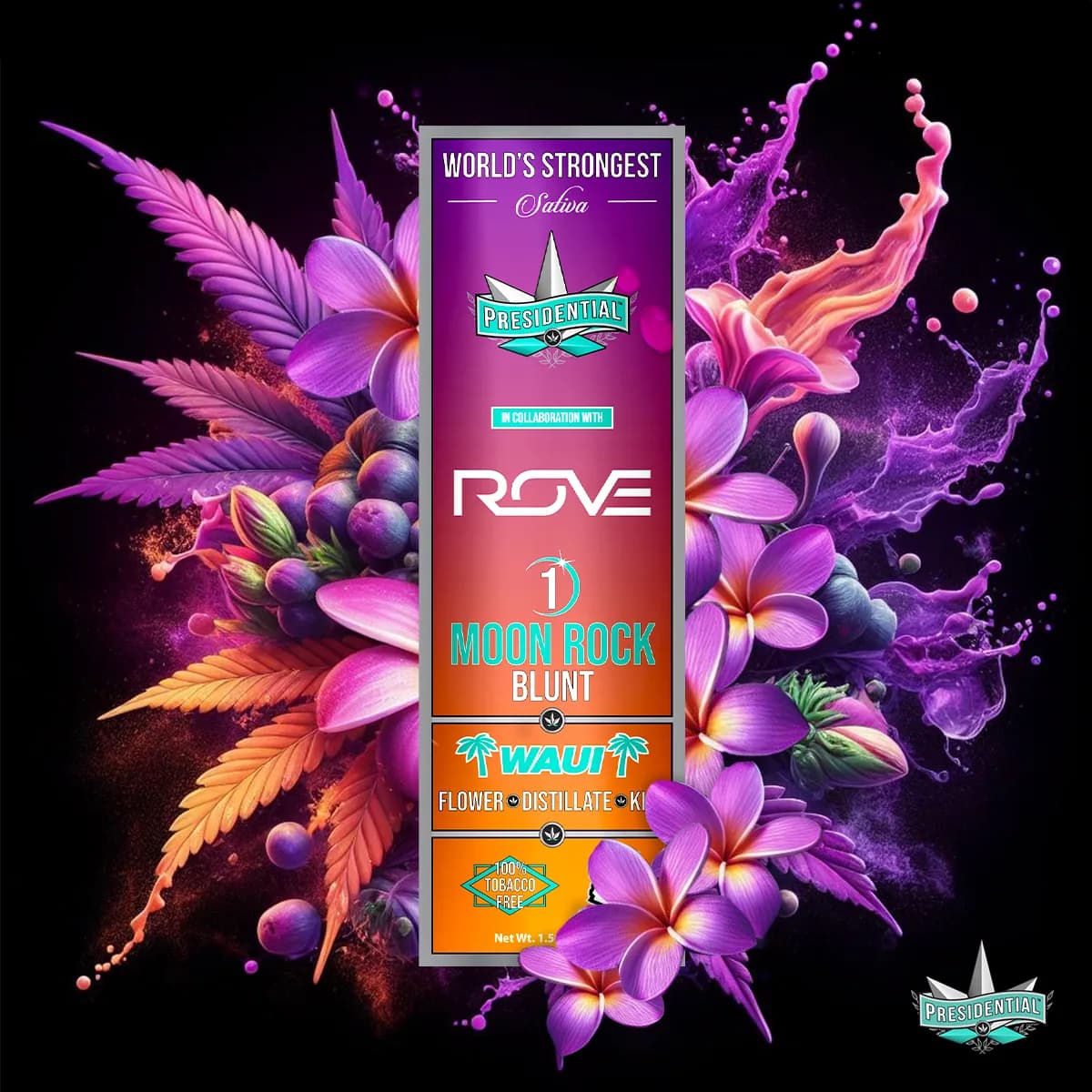
Finished consistency appears in the roll
Once the wrap has its final form, manufacturing quality becomes practical. A consistent piece can surround the filling with a dependable outer layer. It supports the shape of the roll, keeps the contents organized, and gives air and heat a stable boundary through the length of the product.
This is also where neutrality serves the finished design. Presidential uses hemp wraps that stay neutral in flavour, allowing the flower, concentrate, kief, and selected series profile to lead. The final wrap is therefore evaluated by what it contributes—structure, pace, and a clear setting for the contents—across the complete blunt.
The finished wrap meets an infused interior
Presidential's interior has three layers. Flower forms the base, concentrate is carried through the flower by the Infusion System, and kief is added last. Concentrate is dense and retains heat, so even distribution supports an even burn. The manufactured wrap gathers that prepared interior into one continuous, usable format.
At lighting, the relationship becomes visible. Infused material takes longer to catch than flower, and rotating the end in the flame gives the dense roll time to establish an even light. The thicker hemp wrap then supports the slower burn and longer heat retention associated with a blunt. Relighting fits the same design. From fibre selection to finished session, manufacturing quality appears as consistency in shape, airflow, flavour neutrality, and pace.
The finished piece can therefore be understood through observable functions rather than an invented factory recipe. It begins as hemp material, becomes a continuous flexible surface, reaches the thickness and size of the intended format, and arrives around the infused filling as a consistent wrap. When those stages align, the outer layer can perform all of its jobs at once. It contains more material than a paper pre-roll, supports an even airflow path, holds heat within a slower burn, and maintains the neutral taste that Presidential chose for the catalog.