Paper and wrap set different foundations
A pre-roll is built with thin rolling paper. A blunt uses a thicker wrap, and Presidential uses a neutral hemp wrap across its blunt catalog. The difference can be felt in the structure before lighting and seen in the pace after lighting. Paper supports the fastest finish; hemp wrap supports a slower, heat-holding format.
Neutral hemp also gives the interior a clear voice. Presidential's tobacco-free wrap carries no tobacco taste, so the flower, concentrate, kief or diamond finish, and deliberate flavor profile remain central. The outer material still performs important work by holding the fill, carrying airflow, and setting the format's burn rate.
That wrap-first order also travels well across a licensed retail display. Two packages can look related at a glance while still naming paper on one label and hemp wrap on the other. When the outside layer is thin rolling paper around a ready-to-light fill, the build belongs with the pre-roll family. When the outside layer is a thicker hemp wrap with greater fill capacity, the blunt vocabulary is the better fit.
Catalog strains and cultivar groupings sit on the strains hub.
Start from the blunt comparison hub when you want every format guide in one place before narrowing to wrap, fill density, or completion time.
Read the hemp wrap vs rolling paper comparison when the outside material—not ready-to-light convenience alone—is the main distinction on the shelf.
Use the blunt vs joint guide to separate thicker wrapped capacity from thin paper around flower when the product was not finished as a shelf pre-roll.
Compare tobacco placement in the blunt vs spliff guide when the remaining question is where tobacco sits, if it sits anywhere at all.
See what changes inside the wrap in the infused vs regular blunt guide once paper versus hemp wrap is settled and the remaining question is flower-only versus three-layer construction.
Match mini or full capacity with the mini vs full size guide after the blunt path is chosen and the remaining question is how much material the session should carry.
For catch technique on a thicker wrap, continue through the how to light one ritual page after you know whether the format is a hemp blunt or a paper pre-roll.
When a denser blunt needs a steady return to flame, the relighting guide explains why an occasional relight fits thicker construction without treating it as a fault.
Match occasion length with the session length page after construction is chosen, so pace stays tied to available time rather than to dosing language.
Confirm how the tobacco-free outer layer frames the format in the wrap hub, then return here when the blunt-versus-pre-roll pace and capacity question is the remaining distinction.
Material volume changes the scale
A blunt holds more material than a pre-roll. Its thicker wrap supplies the structure for that greater capacity, creating a format suited to a longer window or a shared occasion. A pre-roll's thin-paper form keeps the scale compact and the completion time short.
Size can be refined further through a mini blunt. A mini uses the same construction at a smaller size, preserving the hemp wrap and blunt character while shortening the session. That gives readers three clear positions: quick pre-roll, compact mini blunt, and longer full-size blunt.
Look for wrap or paper language, net weight, and batch or lot identifiers where the market requires them. Those details describe how much material the format carries and what surrounds it. They do not authorize dosing advice, medical claims, or a promise about how a session will feel. Adult consumers 21+ can use the package text to separate blunt and pre-roll capacity without treating a casual nickname as a substitute for the current label.
Burn speed follows construction
Thin rolling paper burns fastest. The thicker blunt wrap and larger fill burn more slowly and hold heat longer. These traits make the pre-roll a natural fit for a concise occasion and the blunt a natural fit when the session can unfold at a deliberate pace.
Infused construction deepens that distinction. Concentrate is dense and retains heat, so an infused blunt takes more time to catch than flower alone. Rotating it in the flame lets the circumference establish an even light. Evenly distributed concentrate then supports an even burn, while an occasional relight matches the density of the material.
Pace belongs with occasion rather than with medical framing. A paper pre-roll often moves on the quicker timeline once lit, while a thicker hemp blunt asks for more time at the flame and a session that can absorb the slower, heat-holding burn. Neither path is a dosing schedule; both are construction cues that help match wrap, fill density, and available time without rushing the catch.
Keeping either format fresh between sessions
A half-finished roll behaves differently by format. A blunt's thicker hemp wrap holds more material and burns slowly, so it's more often put down and picked back up. A pre-roll's thin paper finishes faster. Either way, an infused roll keeps best sealed, cool, and dark. The storage guide for infused blunts covers containers and handling. The burn-rate breakdown explains why the thicker wrap sets a slower pace. If the roll is going around a group, the guide to passing a blunt covers handling it cleanly.
A layered interior adds another choice
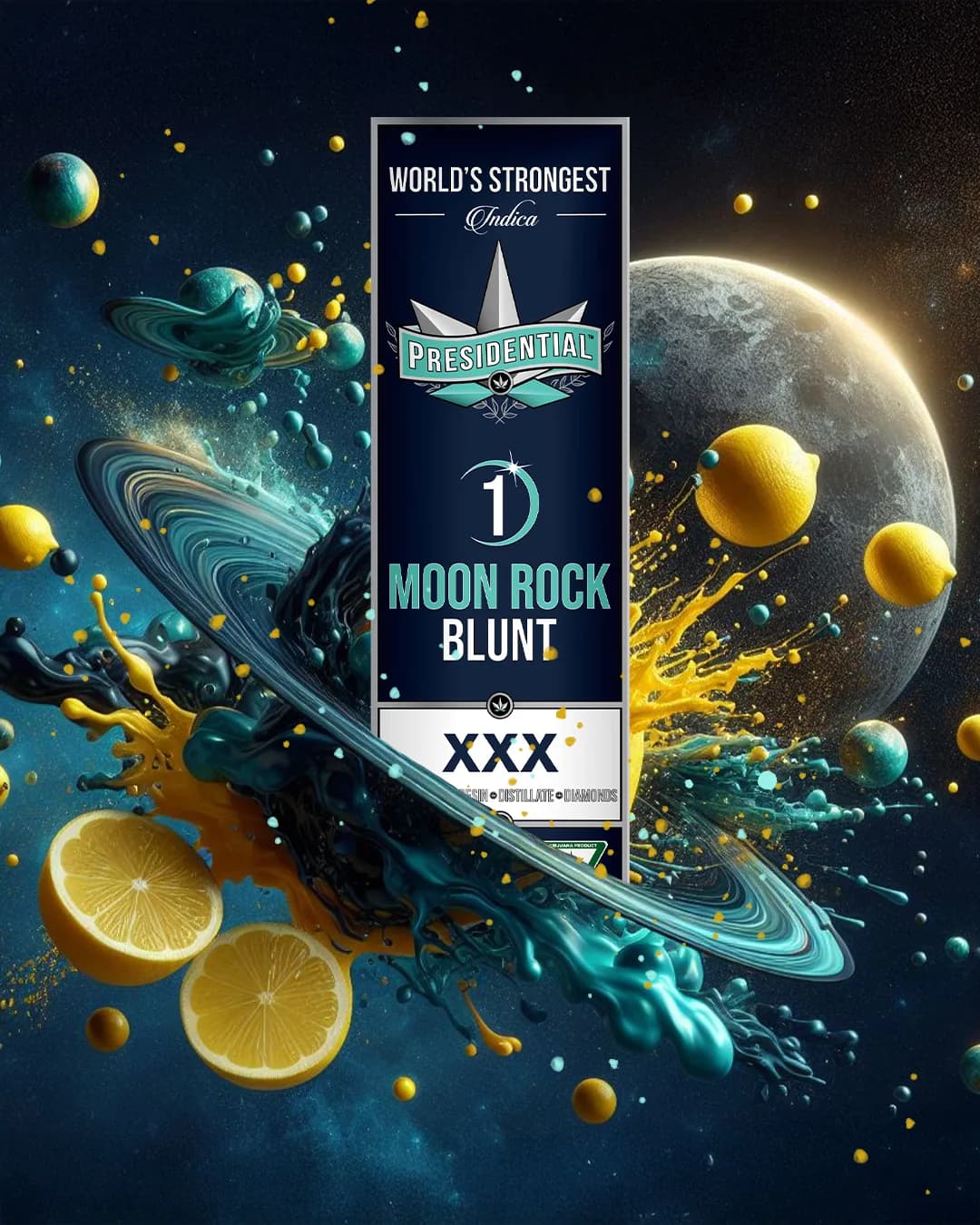
Presidential's infused construction combines flower, concentrate, and a kief or diamond finish. The Infusion System carries concentrate through the flower, and the kief or diamond finish goes on last. That arrangement integrates dense concentrate within the fill instead of making the outside wrap responsible for the flavor or structure.
A reader can therefore compare more than shape. A paper pre-roll offers the quickest format. A hemp-wrapped infused blunt adds greater capacity, a slower burn, and three distinct layers. Presidential produces both infused pre-rolls and tobacco-free blunts, making the format decision separate from the larger catalog of series and strains.
Because Presidential keeps the blunt tobacco free in wrap and fill, the accurate shelf language stays blunt-first once hemp wrap and greater capacity are confirmed. Series names and strain labels refine the recipe after that construction is clear. A pre-roll comparison stays centered on thin paper and a ready-to-light fill unless the package states a different wrap.
Which Presidential format fits which session?
Choose a pre-roll when the schedule favors the fastest finish, a mini blunt when a smaller session still calls for blunt construction, and a full-size blunt when more material and longer heat retention suit the occasion. Every Presidential blunt uses our same neutral hemp wraps; the full infused-blunt guide covers the full format.
Ready-to-light convenience, two ways
A pre-roll and a Presidential blunt can each place a finished rolled format in hand. Convenience is their shared starting point, while construction determines what happens next. The paper pre-roll favors speed and a compact volume. The hemp blunt favors capacity, heat retention, and a longer arc. That makes the label on the format useful information rather than a small naming detail.
The decision can also begin with the people present. A concise paper format aligns with a short individual window. A mini blunt keeps hemp-wrap structure while scaling down the amount. A full blunt brings enough material and burn time to move comfortably through a group. Each choice has a clear role, and the transition from one scale to the next remains easy to understand.
Storage and preparation can stay consistent with the material in hand: keep the finished format cool and dark, then give an infused build enough time to catch evenly. The contrast appears in pace, with paper moving quickly and the blunt settling into its slower-burning rhythm.
Solving wrap and capacity in that order also keeps related catalog questions from colliding. Hemp wrap versus paper answers how the format is framed. Infused versus regular answers whether concentrate and a kief or diamond finish join the flower. Blunt versus pre-roll answers ready-to-light pace and completion time once the outer layer is known. Keeping those decisions separate makes a licensed display readable when packaging looks related at a glance.
When each format makes sense
Select a pre-roll when the schedule favors the fastest finish and a light paper format. Select a mini blunt when a smaller session still calls for blunt construction. Select a full-size blunt when more material, longer heat retention, and room for sharing fit the occasion.
The comparison works best as a simple sequence: decide how much time is available, decide how much capacity belongs in the session, then choose paper or hemp wrap. Those practical questions lead directly to the format that fits.
A practical order of decisions keeps the library usable. Confirm wrap and capacity first, decide whether the fill should stay flower-only or take a layered infused path, then match mini or full size to the session. Lighting and storage guides can follow once the format is chosen, because catch technique and storage habits respond to wrap thickness and fill density.
Where do the blunt and pre-roll traditions come from?
The blunt comes from the cigar. A traditional blunt is a cigar or cigarillo that has been emptied and refilled, so the tobacco leaf stays on the outside and brings nicotine and tobacco taste with it. The pre-roll comes from the paper side: ground cannabis flower in thin rolling paper, the same build as a joint, prepared and packaged ready to light.
Presidential keeps the blunt's thicker outer layer but replaces the leaf with hemp. Every Presidential blunt is one hundred percent tobacco free, so the cigar heritage shows up in the format's capacity and slow burn rather than in tobacco.
Do blunts and pre-rolls differ in THC or terpenes?
The format name does not set either one. THC and other cannabinoids belong to the fill and are read from the current package and batch test record. A regular flower-filled roll reflects the tested cannabinoids in its flower, and an infused one adds concentrate and a kief or diamond finish. Kief is collected trichomes, the resin glands that hold most of the plant's cannabinoids and terpenes.
Terpenes carry the aroma, and in both formats the infused cannabis inside leads the aroma and taste. The difference a smoker notices first is the outer layer: thin paper on the pre-roll, a thicker tobacco-free hemp wrap on a Presidential blunt.
How do you light and share a blunt compared with a pre-roll?
A pre-roll's thin paper catches quickly, burns fastest, and finishes quickest, which suits a short session. An infused blunt lights more gradually because its concentrate is dense and holds heat: place the end in the flame, rotate it steadily until the rim shows an even ring of glow, and expect a relight later.
That slower rhythm is what makes a full-size blunt a social format. It carries more material and holds heat between turns, so it leaves room for passing with care in a group. A mini keeps the same construction for fewer people or less time.
A shorter session is not a paper format
Time alone cannot finish this comparison, because two shorter formats still use different outer layers. A paper pre-roll finishes quickly because thin rolling paper surrounds a compact volume. A mini blunt shortens the session while keeping the thicker hemp wrap, the heat retention of a blunt, and the same construction at a smaller size. A full-size blunt is the longer position: more material and a slower, heat-holding burn. Available time chooses among those three only after the outside layer is known.
Ready-to-light convenience is shared, and it does not settle the rest. Packaging that looks related can still name paper on one label and hemp wrap on the other. Infusion is a separate question from that wrap: flower alone, or flower with concentrate carried through it and a kief or diamond finish last. Series and strain names refine the recipe after that construction is clear. Net weight, ingredient language, and any required batch or lot identifier describe the unit. They do not authorize dosing advice or a medical claim.