

Thickness establishes the format
The clearest starting point is the outer material. A pre-roll uses thin rolling paper, burns fastest, and finishes quickest. A blunt uses a thicker wrap, holds more material, burns slower, and retains heat longer. Those differences define two distinct session formats before infusion is even considered.
Thickness does not act alone, but it establishes the conditions around the filling. The wrap surrounds the entire roll, meeting the heat at the lit end while holding the unburned contents in shape. That continuous outer layer helps the active edge progress at the deliberate rate associated with a blunt rather than the faster rate of thin paper.
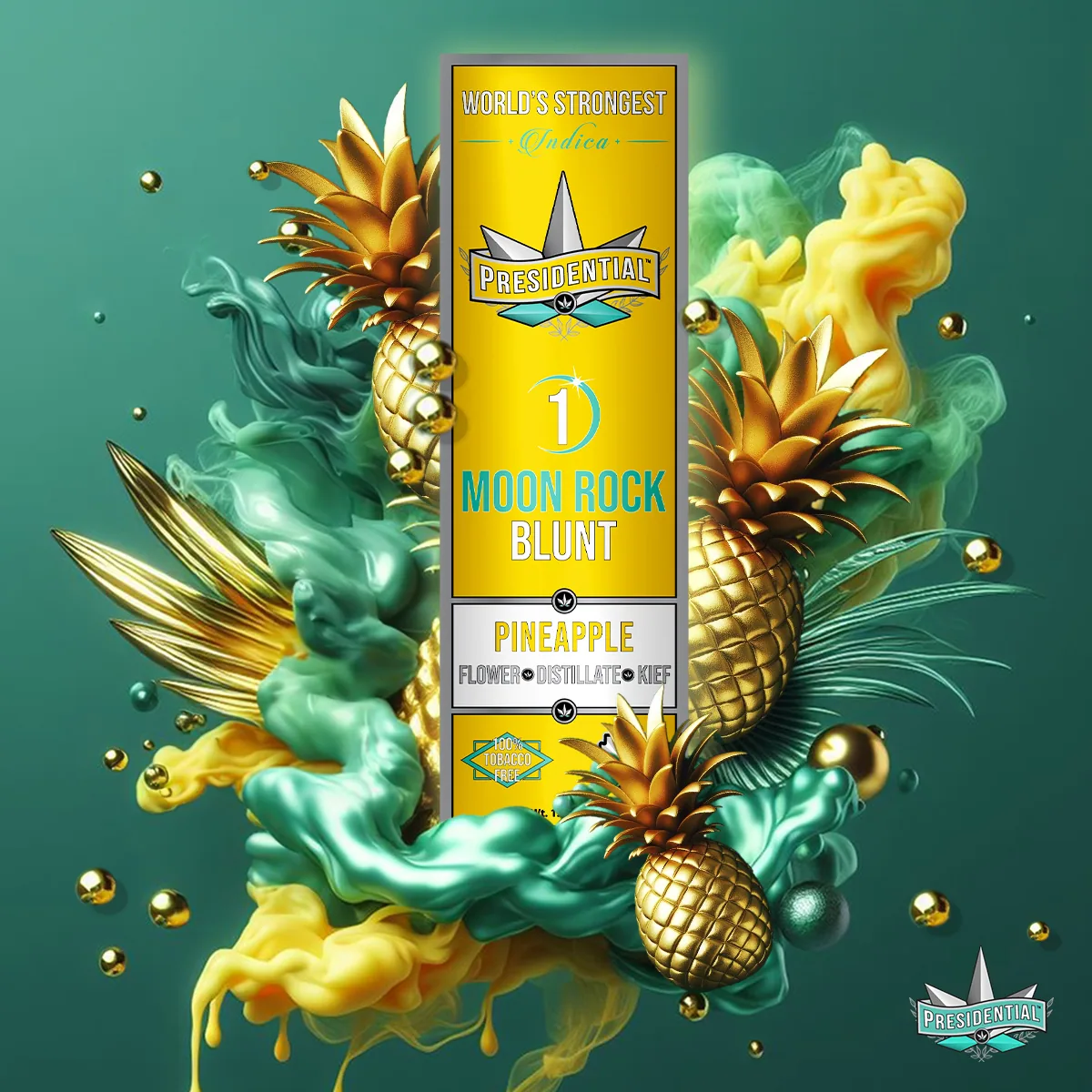
Density determines how much the flame meets
A blunt carries more material than a pre-roll, and an infused blunt adds concentrate to the flower before kief completes the construction. Concentrate is dense and holds heat. The flame therefore meets a substantial set of layers, each contained within the wrap and moving forward together.
Distribution is central to the way that density behaves. Concentrate spread evenly through the flower supports an even burn; material concentrated at the surface burns unevenly. The Presidential Infusion System carries distillate through the flower rather than simply coating the surface. By the time the wrap is added, the interior has been organized to support a consistent advance.
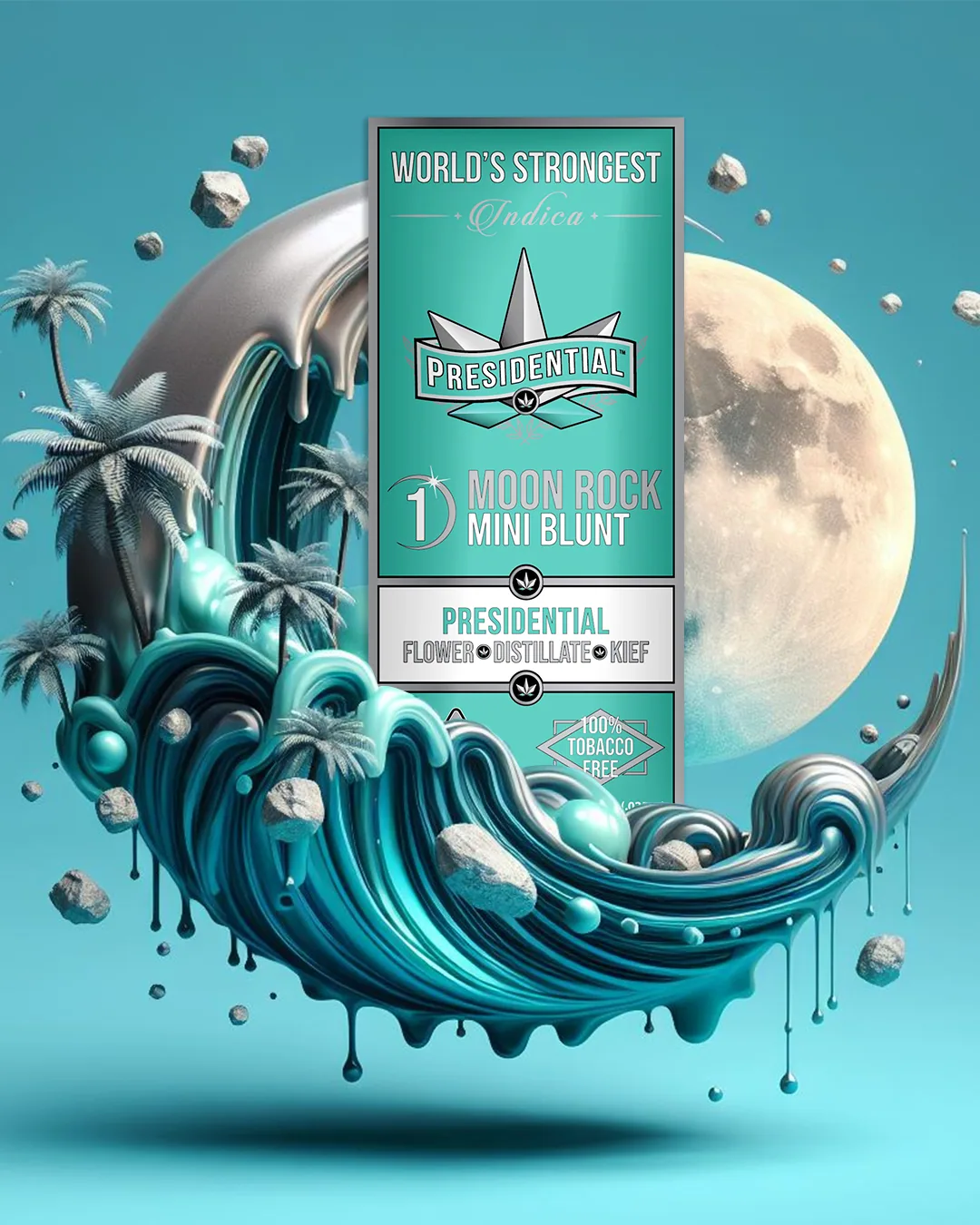
Airflow connects the light to the roll
Airflow supplies the moving current through the burning material. The wrap provides the outer boundary of that route, while the arrangement of flower, concentrate, and kief fills the space inside it. A consistent roll lets those elements function as one path from the lit end through the body of the blunt.
This is why burn rate belongs to the whole construction rather than to one isolated ingredient. The wrap's thickness shapes the outside, density shapes the inside, and airflow moves through both. A steady path supports a steady progression, allowing the retained heat to move into the next portion of material at the pace established by the format.
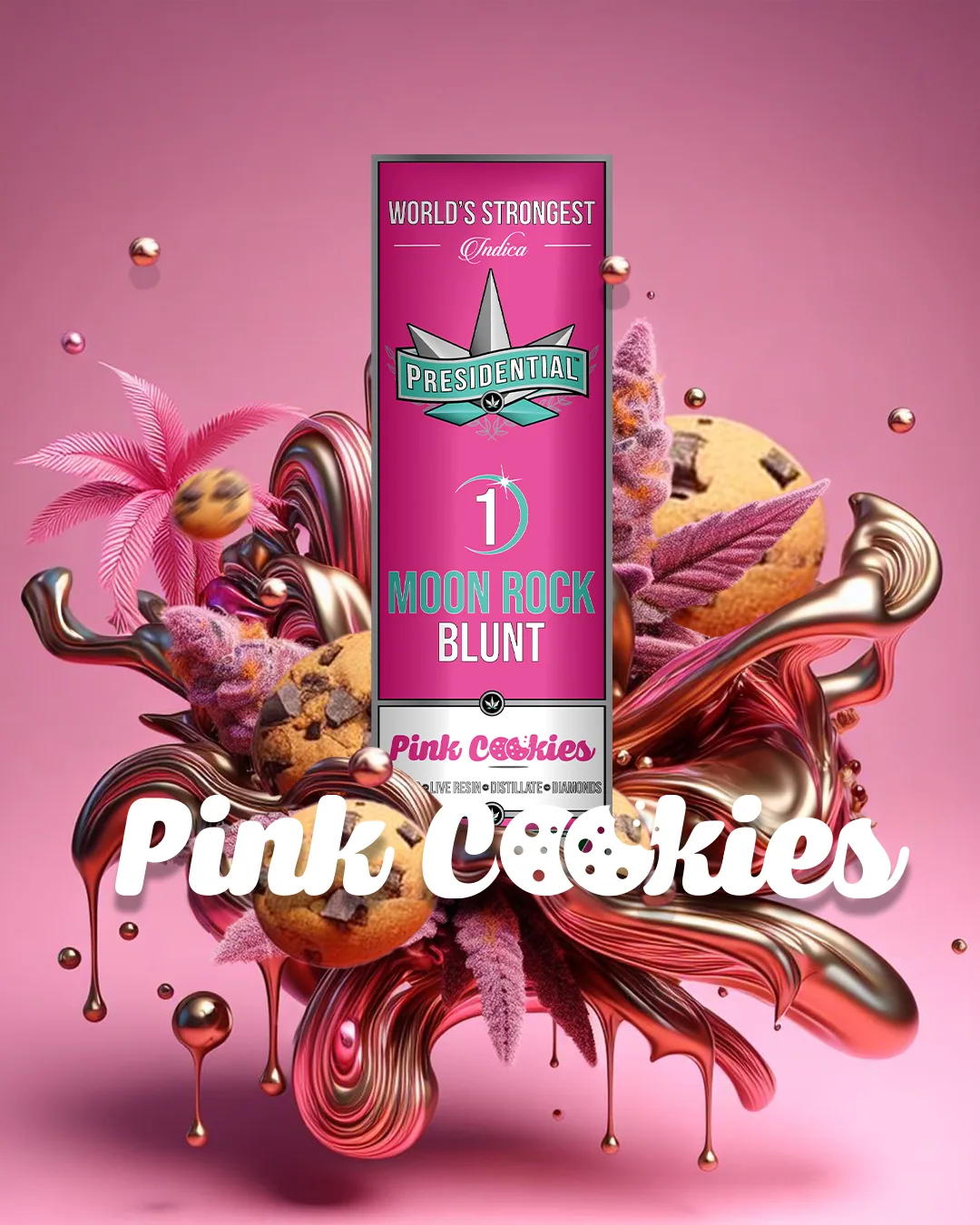
A measured light starts the burn evenly
Infused material takes longer to light than flower because of its concentrate content. Rotating the end in the flame lets heat meet the full edge and gives the dense material time to catch. The goal is a balanced glowing edge across the roll, ready to draw air through the same path the wrap has established.
This beginning fits the slower format. A longer catch is not separate from the blunt's burn rate; it is the opening expression of it. Once the edge is established, the thicker wrap and heat-holding concentrate continue to support the deliberate progression of the material.
Relighting belongs to the slower session
Denser infused material burns slowly, so relighting is an expected part of the format. The same rotating approach can reestablish an even edge and bring the retained structure back to a steady burn. The relight confirms the construction's density and measured pace rather than changing the nature of the session.
For the reader, burn rate translates into time and rhythm. A blunt is built to run longer than a pre-roll, while a mini keeps the same construction at a smaller size. The wrap is the outer control surface for both. It holds each format together, maintains the route for air and heat, and helps turn thickness and density into the slow, recognizable pace of an infused blunt.
The full sequence can be read from start to finish. Rotation in the flame establishes heat around the edge. Air then moves through the wrapped material, while the concentrate-rich interior retains heat and advances slowly. An even distribution keeps that advance balanced, and a relight renews the edge when the dense roll pauses. Every stage reflects the same design choices. The wrap does not set the pace in isolation, but it gives thickness, fill, airflow, infusion, and heat one continuous structure in which to work together. That unity is the practical meaning of burn rate.